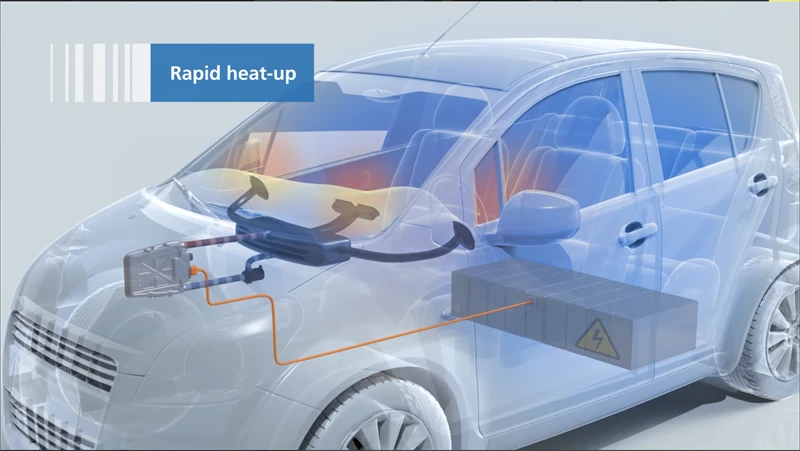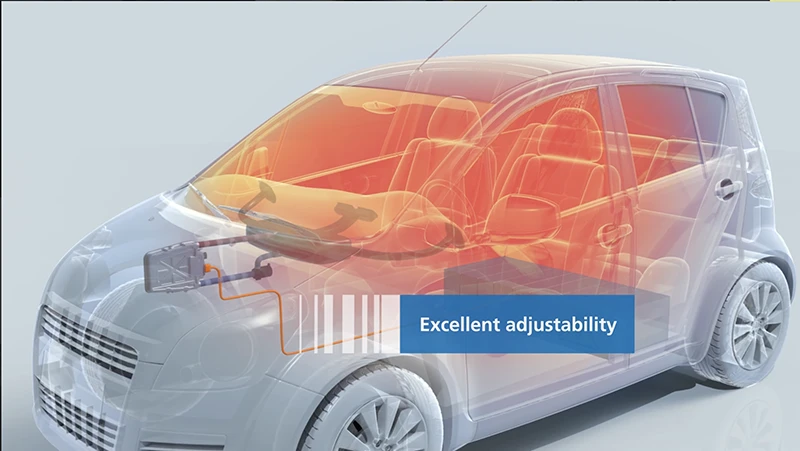
The electric vehicle thermal management system regulates the temperature of various parts of the vehicle by managing the flow of heat, mainly including the temperature control of the vehicle motor, battery and cockpit. The battery system and the cockpit need to consider two-way adjustment of cold and heat, while the motor system only needs to consider heat dissipation. Most of the early thermal management systems of electric vehicles were air-cooled heat dissipation systems. This type of thermal management system took the temperature adjustment of the cockpit as the main design goal of the system, and rarely considered the temperature control of the motor and battery, wasting the power of the three-electric system during operation. heat generated in. As the power of the motor and battery increases, the air-cooled heat dissipation system can no longer meet the basic thermal management needs of the vehicle, and the thermal management system has entered the era of liquid cooling. The liquid cooling system not only improves the heat dissipation efficiency, but also increases the battery insulation system. By controlling the valve body, the liquid cooling system can not only actively control the direction of heat, but also make full use of the energy inside the vehicle.